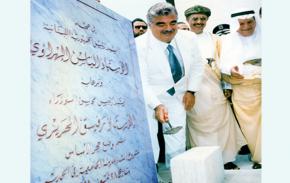
إن اسهامات رفيق الحريري الخيرية والإنمائية لا تحصى، وأبرزها المساعدات المتعددة الأوجه لستة وثلاثين ألف طالب جامعي في جامعات لبنان وخارجه
أنت هنا
A LOGICAL DATABASE DESIGN APPROACH TO INTEGRATING COMPUTER AIDED ENGINEERING SYSTEMS
التبويبات الأساسية
Nada I. KHATIB
|
Univ. |
London |
Spec. |
Electrical Engineering |
Deg. |
Year |
Pages |
|
Ph.D. |
1988 |
287 |
The thesis starts by introducing a data communication problem created upon integrating similar and dissimilar computer aided engineering (CAE) systems used in the design test and manufacture of products in industry. Three approaches to the problem solution are discussed, pointing out the pros and cons of each, and concluding that the database approach offers the only long‑term solution to the integration problem. CAE systems would communicate with each other directly through the medium of the database managed by a software layer, called the database management system, that is based on a data model defining data entities and the relationships between them.
The thesis objective points towards the integration of electrical FINITE ELEMENT ANALYSIS systems with non‑electrical ones through the logical design of a common database, with design principles providing expandability to other CAE systems such as solid modeling, draughting and others.
Database technologies encompassing database design methodologies, data models and database management systems applied to engineering are studied. New trends in these technologies have highlighted the importance of using semantic data models to model engineering data and relational database management systems to implement the database.
By way of example, three finite element systems (MAGNET, LUSAS & ICB‑FINEL) are chosen to cover electromagnetic, structural and thermal analyses of an electrical problem. The problem file definition used by each system is analyzed covering the three stages of any analysis; namely, the pre‑processing, solution and post‑processing stages.
A global view, otherwise called the conceptual schema, is then developed using the ENTITY‑RELATIONSHIP semantic model. Later, the schema is further translated to the RELATIONAL SCHEMA using a set of rules.
Database implementation is accomplished using RIM, the relational database management system, allowing the definition of the relational schema and the manipulation of the database by using its data definition and manipulation languages.
Finally, design tests are described in which data is moved to and from the database for a variety of CAE systems.
Conclusions are given and proposals for future work are suggested.